Freedom Power News
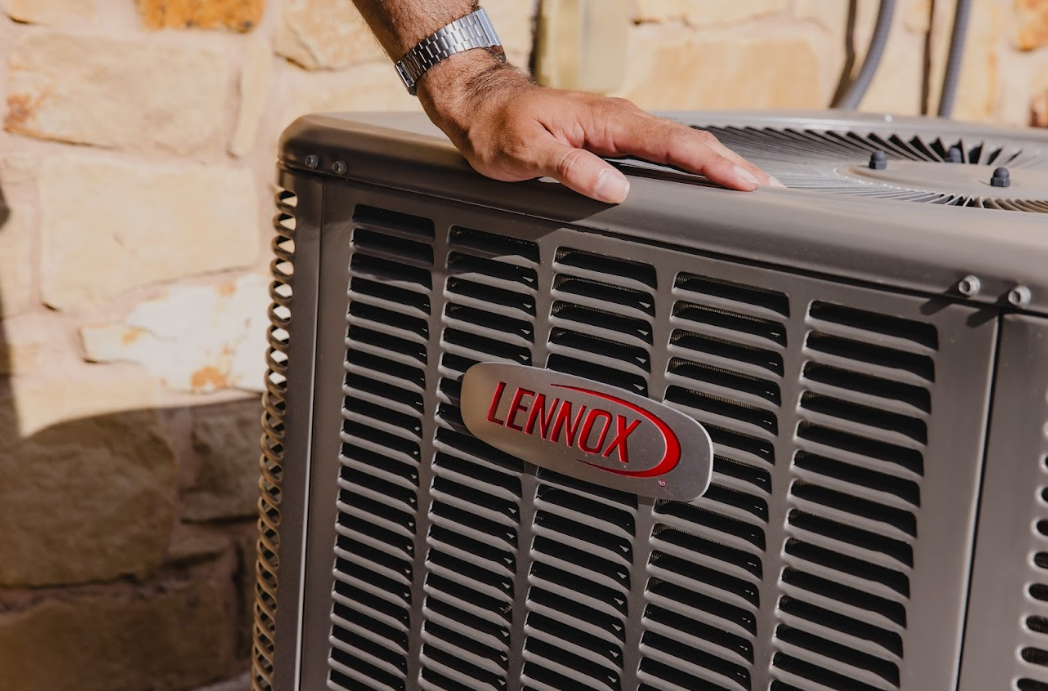
Austin homeowners depend on their air conditioning systems for much of the year. With hot summers, rising temperatures, and extended cooling seasons, your AC system often works overtime to keep your home comfortable. Unfortunately, many homeowners wait until their air conditioner completely stops working before calling for service. By then, what could have been a simple repair may have become a major expense.
The good news is that most air conditioning systems show warning signs before a breakdown occurs. Recognizing these symptoms early can help you schedule AC repair in Austin before a small issue turns into an emergency HVAC repair.
If you've noticed any of the following warning signs, it may be time to contact a trusted HVAC company in Austin.
One of the most common reasons homeowners schedule AC repair in Austin is because their system is running but failing to cool the home effectively.
You may notice:
Several issues can cause poor cooling performance, including:
Austin's summer temperatures can place significant strain on HVAC systems, making even minor cooling issues noticeable.
If your electric bill continues to rise despite similar usage habits, your HVAC system may be operating inefficiently.
Common causes include:
As systems lose efficiency, they consume more electricity to achieve the same level of cooling.
Many Austin homeowners first discover HVAC issues when they notice unexpectedly high utility bills.
Your air conditioner should operate relatively quietly. Unusual sounds often indicate mechanical or electrical issues that require professional attention.
May indicate loose or damaged internal components.
Can signal motor or bearing problems.
Often point to worn belts or motor issues.
May indicate electrical concerns.
Could suggest loose hardware or debris inside the system.
Addressing unusual sounds early can help prevent more expensive repairs later.
Poor airflow can significantly impact comfort and efficiency.
Potential causes include:
Weak airflow often results in:
Homes throughout Austin, Round Rock, Cedar Park, Georgetown, Leander, Pflugerville, Lakeway, Bee Cave, and West Lake Hills commonly experience airflow issues as HVAC systems age.
Short cycling occurs when your system repeatedly turns on and off without completing a full cooling cycle.
Common causes include:
Short cycling places additional strain on HVAC equipment and often accelerates wear and tear.
Austin homeowners experiencing short cycling should schedule HVAC service promptly to avoid further damage.
Unusual smells are often early indicators of HVAC problems.
Common odors include:
May indicate mold or mildew growth.
Can signal overheating electrical components.
May indicate refrigerant leaks.
Often result from bacteria buildup on coils.
These issues can affect indoor air quality and system performance.
While condensation is normal, visible water leaks are not.
Potential causes include:
Water leaks can lead to:
If you notice standing water around your system, schedule professional AC repair immediately.
Austin's climate creates unique challenges for heating and cooling equipment.
Factors that increase HVAC wear include:
Because HVAC systems run so frequently throughout the year, preventative maintenance and prompt repairs become essential.
Preventative HVAC maintenance helps identify problems before they become costly emergencies.
Professional maintenance typically includes:
Routine maintenance helps improve efficiency, reduce repair costs, and extend equipment lifespan.
Not every HVAC problem can be solved with a repair.
You may want to consider HVAC replacement if:
An experienced HVAC contractor can help you determine whether repair or replacement is the better long-term investment.
Freedom Power provides professional HVAC services throughout Austin and surrounding communities including Round Rock, Cedar Park, Georgetown, Leander, Pflugerville, Lakeway, Bee Cave, Buda, Kyle, and West Lake Hills.
Our services include:
Our team is committed to helping homeowners improve comfort, reduce energy costs, and maximize the lifespan of their HVAC systems.
Common signs include poor cooling, rising utility bills, unusual noises, weak airflow, short cycling, water leaks, and unpleasant odors.
Repair costs vary depending on the issue and equipment involved. A professional inspection can determine the most cost-effective solution.
Common causes include refrigerant leaks, dirty coils, airflow restrictions, thermostat problems, and failing components.
Most HVAC professionals recommend servicing your system twice per year to maximize efficiency and reduce breakdowns.
Factors such as system age, repair history, efficiency, and operating costs should all be considered.
Yes. Extended periods of extreme heat place additional stress on HVAC systems and often accelerate wear and tear.
If you've noticed any of these warning signs, don't wait for your air conditioner to stop working completely. Addressing HVAC issues early can reduce repair costs, improve efficiency, and help extend the life of your system.
Contact Freedom Power today to schedule professional AC repair in Austin and keep your home comfortable throughout every season.