
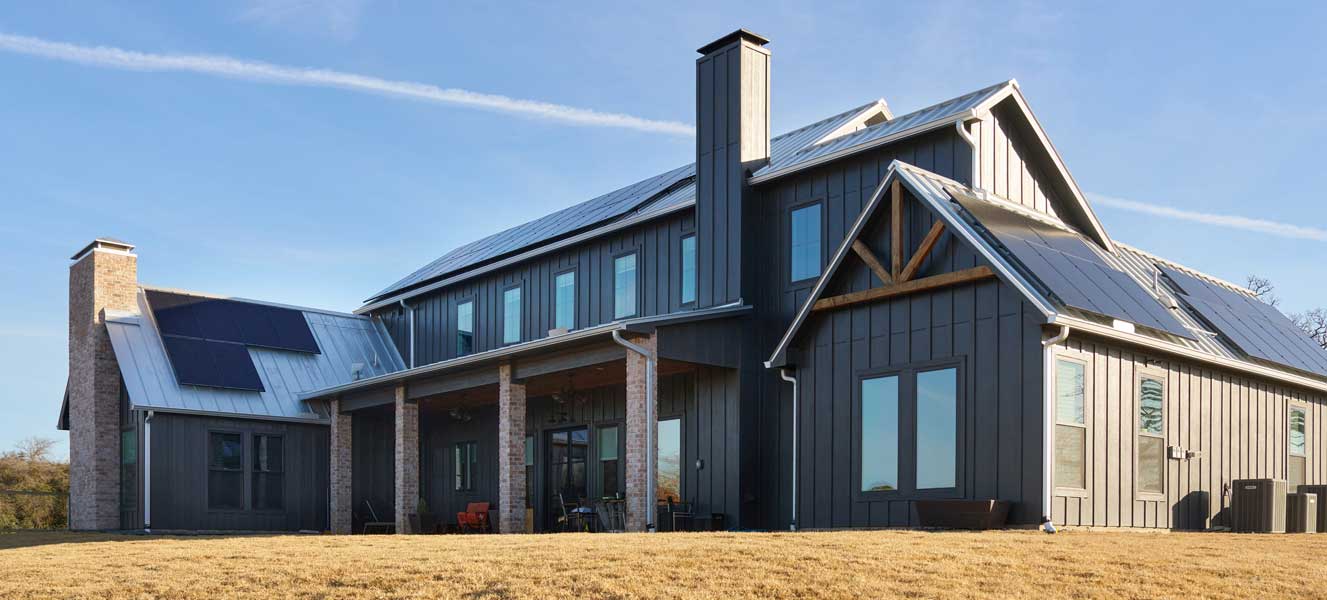
Solar works. When you install solar on your roof, you don’t just save. You get control back. Depending on your home, habits, and the amount of sun that hits your roof, you could pay as little as $99/month to power your entire home. Cash buyers can enjoy $0 down and no payments for the first 18 months.
Leasing your solar system still qualifies you for the 30% federal tax credit in 2026 and lets you start saving from month one. Unlike most solar leases that increase in cost over time, Freedom Power’s solar lease has a 0% escalator.
Talk to our team and see how much you can pay and save each month.
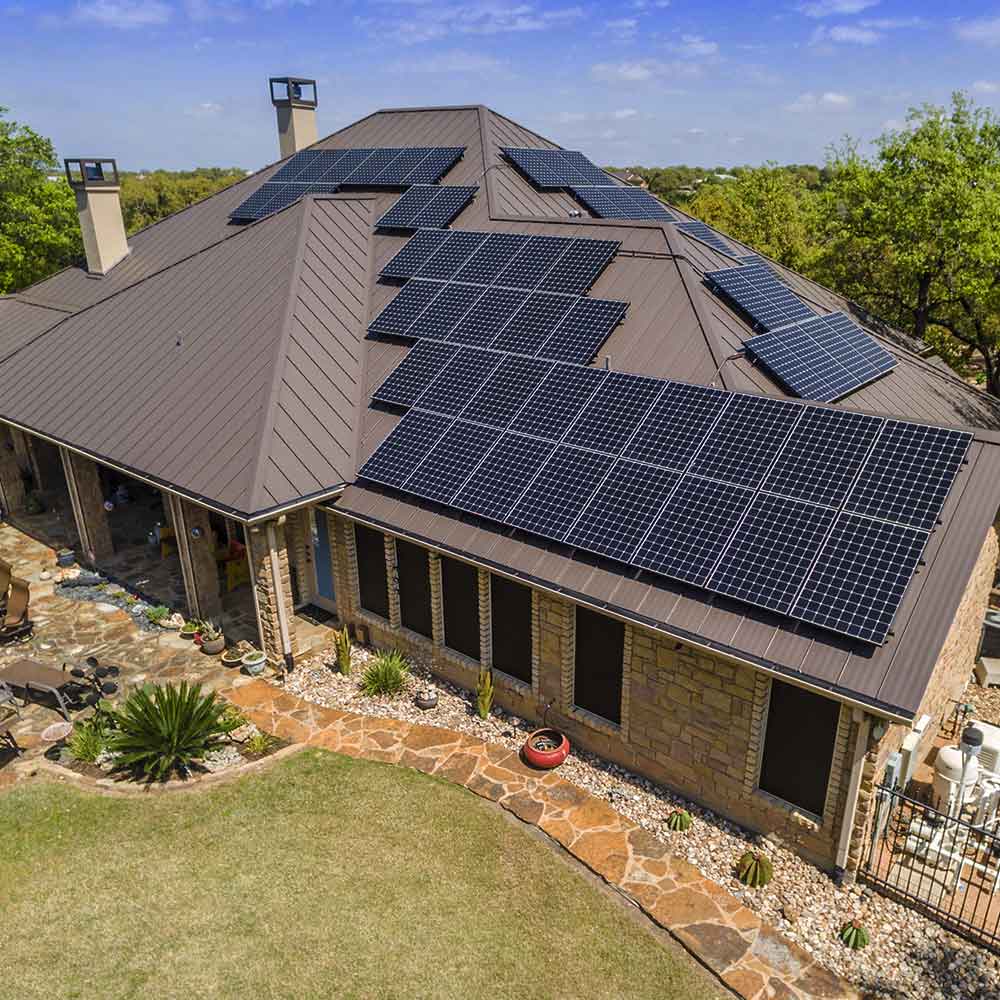
A solar power system is more than a set of panels on your roof. It is a combination of dependable components designed to turn sunlight into energy your home can use. The final cost reflects equipment, labor, project management, permitting, inspections, and coordination with HOAs and local authorities, and those costs can vary from city to city.
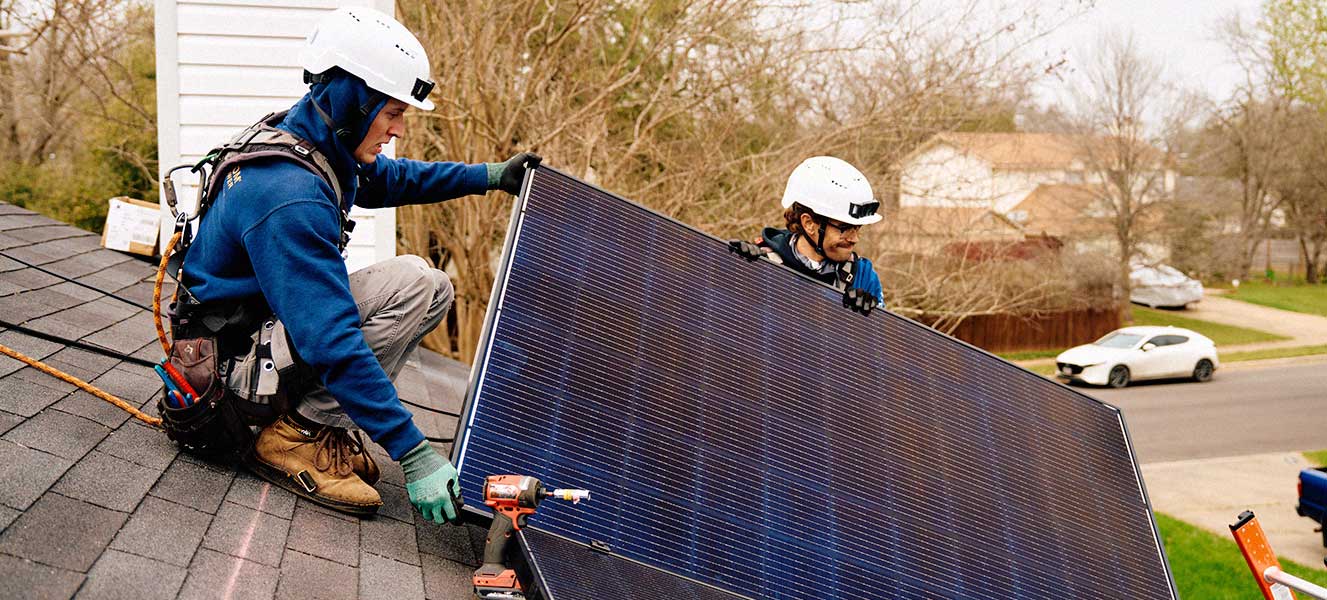
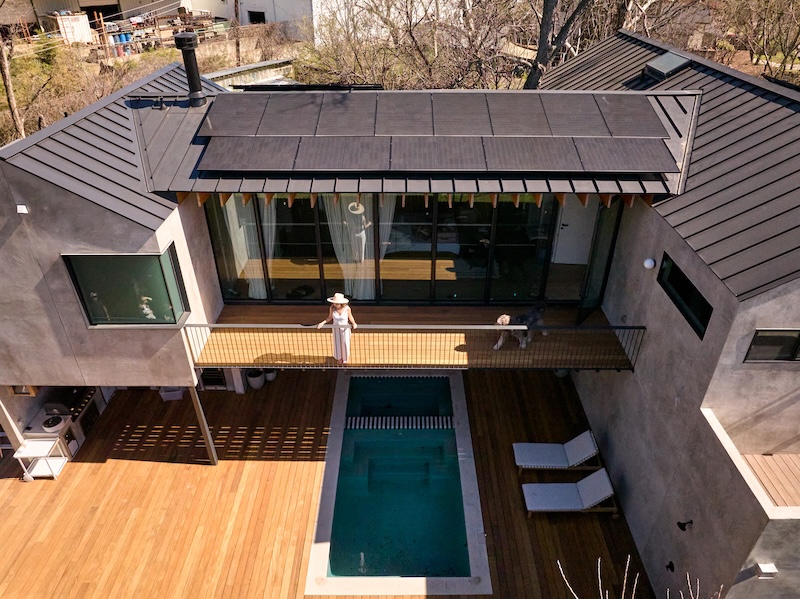
These costs also vary depending on your home’s energy consumption. No two homes are the same. No two homes use electricity in the same way. Your solar system is designed with you in mind. These customized products are built to hold up under decades of sun—well into 2050 and beyond. Going solar is an investment that steadily pays itself off over time while adding real value to your home.
According to a University of Michigan study, with current climate trends, the future value of residential solar systems could increase by up to 19%. The increase in “value” is driven largely by higher future demand for cooling. In hot climates like Texas, that makes the study’s findings more relevant. While you’re saving money month-to-month, your home is gaining increased value year-over-year.
Bottom line: solar isn’t just good for your home—it’s a smart, long-term move that stands up strong over the years.
Straight forward sales with continued support

Own it outright. Paying cash is the simplest way to go solar and the one that delivers the biggest long-term return.
You own the system from day one with no interest, no contracts, and no monthly payments. We’ll work with you to get you the lowest available cost with available incentives and promotions. Maximum lifetime savings, period.
Not ready to own? No problem. Our subscription programs let you go solar without buying the system outright. There’s little to no upfront cost and you get monthly payments that are predictable – unlike utility bills. All the maintenance and monitoring is handled for you and you’ll see immediate savings compared to utility power. You will still benefit from the energy from your roof and lower your electric bills.
A HELOC lets you use the equity you’ve already built in your home to pay for solar, without refinancing your mortgage or draining your savings. With this method, you pay only for what you need. You pay interest only on what you use and rates are lower than solar loans or credit cards. Most importantly, you keep your low mortgage rate. You are using your home’s value as an asset that lowers your monthly costs and increases your resale value.
We’ll meet with you for a no pressure home energy consultation to discuss your options – for free. No strings attached. Click here or call (800) 504-2337.
Going solar with Freedom Power is smart, well-planned, and handled by people who know what they’re doing. We do the heavy lifting and you enjoy the power.
Even if you’re leasing, local and state programs can reduce what you pay each month. These incentives are designed to make clean energy easier on your wallet—use them.
While not available for financing, the 30% Federal Incentive Tax Credit is still available for lease options through March 2026
Leasing companies often pass along manufacturer incentives or seasonal promotions. Smart timing can mean a lower monthly payment without touching your savings.
With a lease, you skip the large installation price. That means you can start saving on electricity from day one, without draining your bank account.
Want to take your savings—and your energy independence—even further? Adding a backup system keeps your home running when the grid goes down and lets you make the most of every kilowatt your panels produce.
Leases are ideal for homeowners who want solar savings with minimal commitment and zero maintenance. If maximum long-term savings and ownership are your priority, owning the system may be a better fit.
Lease agreements are typically transferable to the new homeowner, subject to approval. This allows the next owner to continue benefiting from solar without needing to purchase a system.
You pay a fixed monthly amount that’s usually lower than what you’d pay your utility for the same energy. This gives you protection from rising utility rates and more predictable energy costs.
A leased or third-party owned system means a solar provider owns the equipment on your roof, and you pay a predictable monthly payment to use the energy it produces. You get the power and savings—without owning or maintaining the system.
Typically little to none. Lease programs are designed to remove the large upfront expense of solar while still lowering your monthly electric costs.
The system owner does. Monitoring, maintenance, repairs, and performance issues are handled for you, so there’s no surprise costs or responsibility on your end.
Yes. You’ll use the solar energy generated on your roof first, reducing how much power you buy from the utility. Most customers see immediate monthly savings compared to utility-only power.
Your TPO contract remains valid, and another provider assumes responsiblity – your coverage continues.
Absolutely – the system must be installed properly if it expected to work and produce solar power. If not installed properly, you cannot achieve expected results.
Yes, Freedom Power ensures you get high-quality, warrantied equipment that the provider stands behind.
The TPO company insures the system and takes care of the repairs or replacement.
Ask about payment terms, escalators, service coverage, and transfer options – all designed to make solar simple.
You'll always contact the TPO provide directly – they handle service, monitoring, and repairs for you. With Freedom Power, we perform all the work on our installed systems.
The TPO company covers all repairs, maintenance, and monitoring at no extra cost.
Escalators are increases in your payment typically less than expected utility rate hikes. However, only a 0% escalator is a controllable variable. Freedom Power is one of the few solar installers that offers a 0% escalator.
No - with a lease, the system isn't your asset, so it doesn't increase your property taxes.
TPO gives you the savings and protection of solar without the upfront cost or risk of ownership.
A HELOC may work best for homeowners with sufficient equity who want ownership, competitive interest rates, and financial flexibility. It may be a strategic option for those who think long-term about value and leverage.
Solar is widely viewed as a desirable home upgrade. By using equity to install a system that lowers operating costs, you’re often strengthening your home’s resale appeal.
It depends. If you purchase your solar system with funds from a HELOC, then yes, you will own the system. However, if you use the HELOC funds to pay for a prepaid PPA or prepaid Lease, we recommend you review your agreement with the PPA or Lease provider closely to understand if/when you will have the opportunity to own your system.
Solar reduces your electric bill, and homeowners may use those savings to offset their HELOC payment. You’re essentially redirecting money you already spend on utilities into a home asset.
No. A HELOC is separate from your mortgage, and will have its own rate, so you keep your existing mortgage rate while accessing your home’s equity.
A Home Equity Line of Credit (HELOC) lets you borrow against the equity you’ve built in your home. You can use that line of credit to pay for your solar system while keeping your existing mortgage intact.
HELOCs may have lower interest rates than unsecured solar loans or credit cards. You only pay interest on the amount you use, and you avoid refinancing your entire mortgage.

