Solar

AI data centers are essential for modern computing. They power everything from automation to machine learning. But they require staggering amounts of electricity.
Some of the largest facilities use as much power as 800,000 homes.
When a new AI data center is built, it’s comparable to adding an entire city to the electrical grid — almost overnight.
Power plants weren’t built for this level of demand. The result?
Rising energy rates.
Since 2020, energy rates across America have increased by more than 35%. And projections suggest this trend is far from over.
In Texas specifically:
This isn’t speculation — it’s infrastructure math. More demand + major grid upgrades + long-term capital investments = higher bills for homeowners.
If rates increase 6–10% per year, that could mean:
You don’t have to work in tech to feel the impact of AI growth.
You just have to pay an electric bill.
There’s one way to step outside the cycle of rising grid costs:
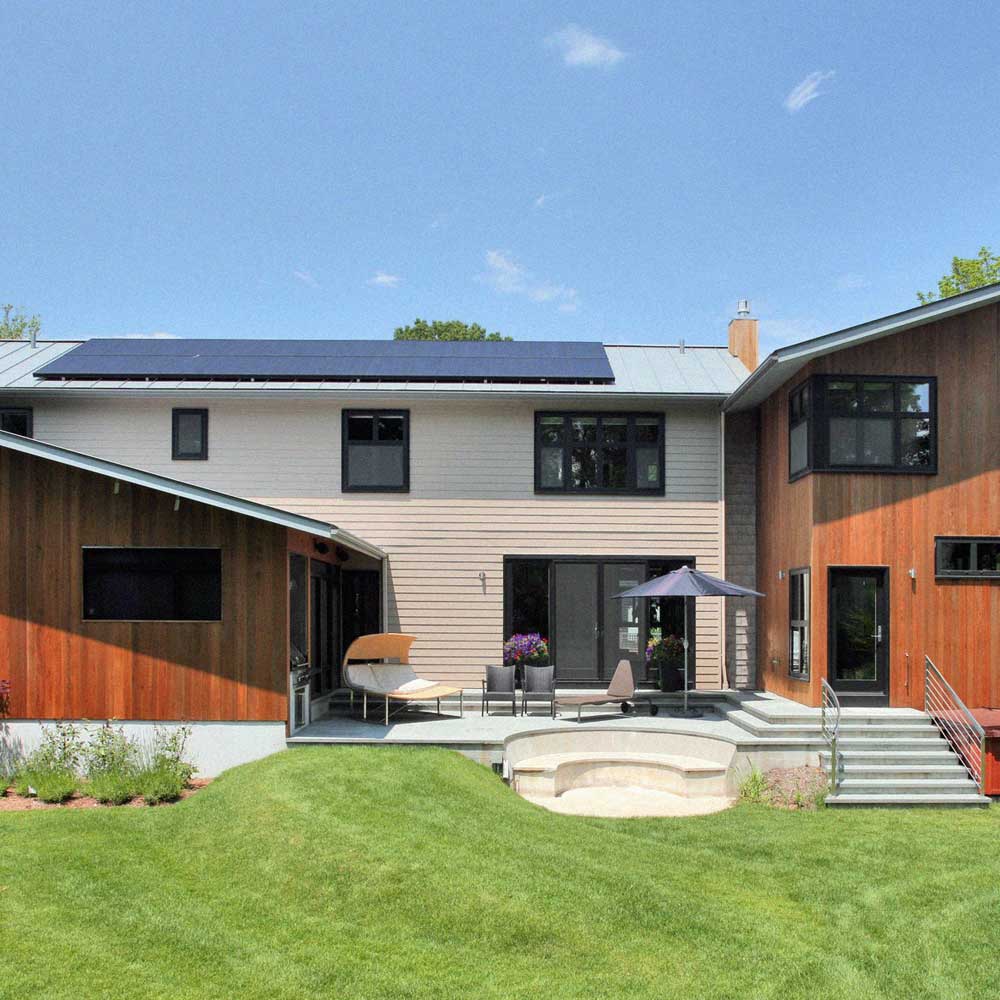
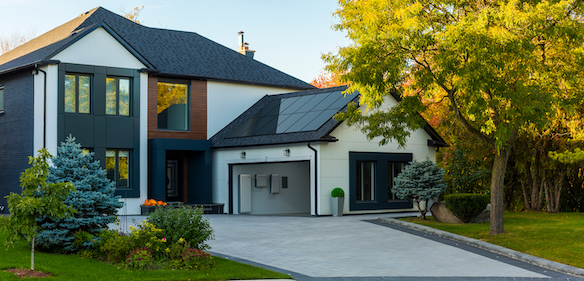
When you install solar panels on your roof, you’re no longer competing with AI data centers for electricity. You’re producing your own.
That means:
Whether you choose to lease or own your system, if you have the right roof and sun exposure, solar is likely to deliver substantial savings compared to staying fully dependent on the grid.
Every new data center increases strain on the grid.
Every infrastructure upgrade increases utility charges.
Every year you wait, rates are likely higher than the year before.
The homeowners who benefit the most from solar are the ones who lock in their energy strategy before prices spike again.
Not every home qualifies — but many do.
Freedom Power offers a free roof and energy assessment to determine:
There’s no obligation — just clarity.
If AI growth is driving up electricity prices, the question becomes simple:
Do you want to keep paying rising utility bills — or start producing your own power?
Take control of your energy before the next rate increase hits.