Freedom Power News
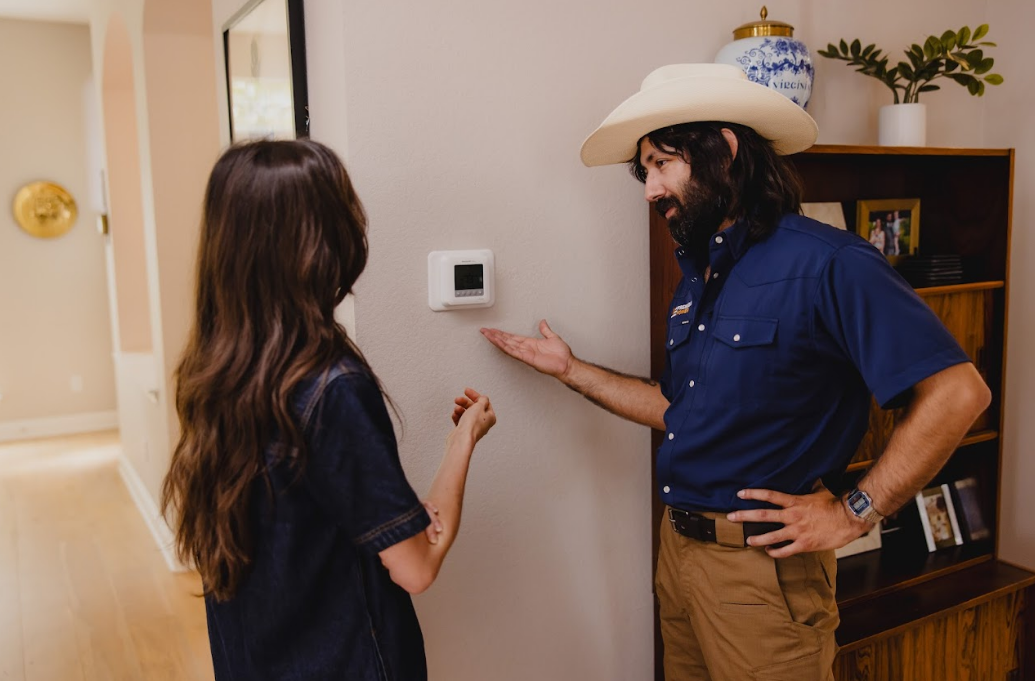
Installing a new HVAC system is one of the most important investments you can make in your home. Whether you're replacing an aging air conditioner, upgrading to a more energy-efficient system, or installing HVAC equipment in a newly constructed home, understanding the installation process can help you make confident decisions and maximize your investment.
For Austin homeowners, proper HVAC installation is especially important. Central Texas experiences long cooling seasons, extreme summer temperatures, and periods of high humidity that place significant demands on heating and cooling systems. Choosing the right equipment and ensuring proper installation can improve comfort, lower utility bills, and reduce future repair costs.
From Round Rock and Cedar Park to Georgetown, Leander, Pflugerville, Lakeway, Bee Cave, Buda, Kyle, and West Lake Hills, homeowners rely on properly installed HVAC systems to stay comfortable throughout Austin's long cooling season. Understanding the installation process can help you make informed decisions and maximize the value of your investment.
If you're researching HVAC installation in Austin, here's what you need to know before getting started.
Even the most advanced HVAC equipment can underperform if it isn't installed correctly.
A professional HVAC installation helps ensure:
Poor installation can result in frequent repairs, increased energy consumption, uneven cooling, and reduced system performance.
Many homeowners begin researching HVAC installation after experiencing ongoing issues with their current system.
If you're scheduling multiple HVAC repairs each year, replacement may provide better long-term value.
Older HVAC systems often become less efficient over time.
Hot and cold spots throughout your home may indicate declining HVAC performance.
Austin homeowners often notice humidity problems when systems begin to age.
Many HVAC systems become less reliable as they approach the end of their expected lifespan.
A successful HVAC installation begins with a detailed evaluation of your home.
Your HVAC contractor should assess:
This information helps determine the most appropriate HVAC system for your home's specific needs.
One of the most important steps in the installation process is determining the proper system size.
Many homeowners mistakenly believe that larger systems provide better cooling.
In reality, oversized HVAC systems can cause:
Undersized systems often struggle to maintain comfortable temperatures during Austin's hottest months.
Professional load calculations help ensure your HVAC system is properly sized for maximum efficiency and comfort.
Many HVAC performance problems can be traced back to improper system sizing.
An oversized HVAC system may:
An undersized HVAC system may:
Professional load calculations ensure your HVAC system is properly matched to your home's cooling and heating requirements.
Once your home's cooling and heating requirements have been evaluated, your HVAC contractor will recommend equipment options.
Higher-efficiency HVAC systems often reduce energy consumption and operating costs.
Modern HVAC systems may include:
Many homeowners choose to incorporate:
These upgrades can improve comfort and support healthier indoor environments.
Many factors influence HVAC installation costs in Austin.
These include:
Larger homes generally require larger HVAC systems.
Options may include:
Existing ductwork may require repairs, sealing, or modifications.
Higher-efficiency systems typically require a greater initial investment but often provide long-term energy savings.
A professional consultation is the best way to determine installation costs for your specific home.
For replacement projects, installation begins with removing the existing HVAC system.
This may include:
Professional removal ensures compliance with safety and environmental regulations.
Once the old equipment has been removed, technicians begin installing the new HVAC system.
Installation may include:
Proper installation helps maximize performance and equipment lifespan.
Ductwork plays a major role in HVAC performance.
During installation, contractors often inspect for:
Addressing ductwork issues during installation can improve efficiency and comfort throughout the home.
Before installation is complete, technicians should thoroughly test the new HVAC system.
This process typically includes:
Testing helps ensure the system operates according to manufacturer specifications.
Most residential HVAC installations can be completed within a single day.
However, project timelines may vary depending on:
Your HVAC contractor can provide a project-specific timeline during your consultation.
After installation, ongoing HVAC maintenance can help maximize system lifespan, efficiency, and long-term performance.
Austin homeowners often experience immediate improvements following HVAC installation.
Modern HVAC systems are significantly more efficient than older equipment.
New systems maintain more consistent temperatures throughout the home.
This is especially valuable during Austin's hot summer months.
Modern systems support better filtration and purification options.
New equipment dramatically reduces the likelihood of unexpected breakdowns.
Freedom Power provides professional HVAC services throughout Austin and surrounding communities including Round Rock, Cedar Park, Georgetown, Leander, Pflugerville, Lakeway, Bee Cave, Kyle, Buda, and West Lake Hills.
Our services include:
Our experienced team focuses on proper system sizing, professional installation, and long-term performance to help homeowners maximize comfort and efficiency.
Frequent repairs, rising utility bills, declining performance, and equipment older than 10–15 years often indicate replacement may be beneficial.
Most residential installations can be completed within one day, although larger projects may require additional time.
Many modern HVAC systems consume less energy and may significantly reduce monthly operating costs.
System size depends on factors such as square footage, insulation levels, home layout, and airflow requirements. Professional load calculations determine the appropriate size.
Many homeowners choose to install a smart thermostat during HVAC replacement to improve comfort, convenience, and energy efficiency.
If you're considering HVAC installation in Austin, Freedom Power can help. Our experienced team can evaluate your home, recommend the right equipment, and ensure your new HVAC system is installed for maximum comfort, efficiency, and long-term performance.
Contact Freedom Power today to schedule your HVAC installation consultation and learn how a professionally installed HVAC system can improve your home's comfort and energy efficiency.