Freedom Power News
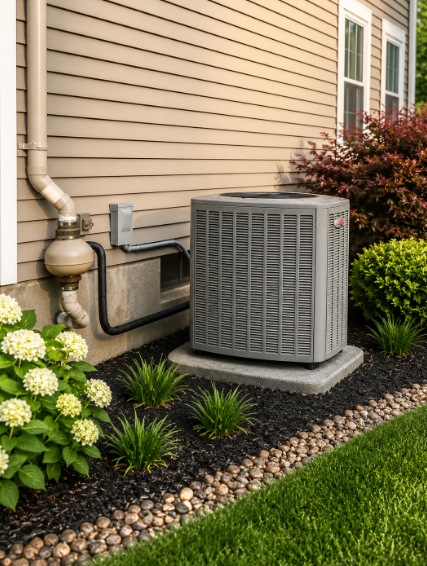
Your HVAC system is one of the hardest-working systems in your home. In Austin, where air conditioners often run for much of the year, heating and cooling equipment experiences significant wear and tear. While no HVAC system lasts forever, many homeowners miss the warning signs that indicate their equipment is approaching the end of its lifespan.
Recognizing these symptoms early can help you avoid emergency breakdowns, reduce repair costs, improve energy efficiency, and make a more informed decision about HVAC replacement. If your system has been showing signs of decline, now may be the time to evaluate your options before a complete failure occurs.
From Round Rock and Cedar Park to Georgetown, Pflugerville, Lakeway, Bee Cave, Buda, Kyle, and West Lake Hills, homeowners depend on their HVAC systems for much of the year. Recognizing the early signs of HVAC failure can help prevent costly emergency repairs and allow you to plan for replacement before a complete breakdown occurs.
Here are the most common indicators that your HVAC system may be nearing the end of its useful life.
Most residential HVAC systems are designed to last:
However, Austin's climate often accelerates wear on HVAC equipment.
Factors that impact lifespan include:
Homeowners who invest in routine HVAC maintenance often experience fewer repairs and longer equipment lifespan.
One of the first warning signs of HVAC decline is a steady increase in energy consumption.
As HVAC systems age, components become less efficient and require more electricity to maintain comfortable temperatures.
Common causes include:
If your energy bills continue rising despite similar usage habits, your HVAC system may be losing efficiency and approaching replacement age.
Many homeowners researching HVAC replacement in Austin begin the process after noticing significant increases in monthly cooling costs.
Occasional HVAC repairs are expected throughout the life of a system. However, frequent service calls often indicate larger issues.
Warning signs include:
At some point, continued repairs may cost more than investing in a new HVAC system.
A professional HVAC contractor can help determine whether replacement offers better long-term value.
A common guideline homeowners use when deciding between repair and replacement is the $5,000 Rule.
Multiply the age of your HVAC system by the estimated repair cost.
For example:
If the result exceeds $5,000, replacement may be worth considering instead of continuing to invest in aging equipment.
While every situation is unique, this rule can provide a useful starting point when evaluating your options.
A properly functioning HVAC system should provide consistent comfort throughout your home.
If you notice:
your system may be struggling to distribute conditioned air effectively.
Potential causes include:
These issues often become more noticeable as systems approach the end of their lifespan.
Austin summers place heavy demands on HVAC systems, but your equipment should still cycle on and off periodically.
If your system seems to run continuously, possible causes include:
Continuous operation often indicates declining efficiency and increased wear on critical components.
Unusual sounds often indicate mechanical issues that may worsen over time.
May indicate motor or bearing failure.
Can signal loose or damaged internal components.
Often point to worn belts or motor issues.
May indicate electrical concerns.
As systems age, these noises often become more frequent and more severe.
Austin homeowners often focus on temperature, but humidity control is equally important.
A properly functioning HVAC system should help regulate indoor moisture levels.
If your home feels:
your HVAC system may no longer be removing humidity effectively.
Older systems frequently struggle with moisture control as they age.
Age alone doesn't mean immediate replacement is necessary, but it should be considered alongside performance issues.
Older systems often experience:
If your HVAC system is over a decade old and showing multiple symptoms from this list, replacement may be the smarter investment.
Modern HVAC systems have improved significantly over the last decade.
Today's equipment often includes:
Upgrading to a newer HVAC system can improve both comfort and operating costs.
One of the clearest signs of HVAC decline is reduced performance during Austin's hottest months.
If your system struggles to maintain comfortable temperatures when outdoor temperatures rise, it may be nearing the end of its lifespan.
This is particularly common in:
where long cooling seasons place heavy demands on HVAC equipment.
Not every HVAC issue requires replacement.
If your system is still relatively new, professional HVAC repair services may restore performance and extend the life of your equipment.
A professional HVAC evaluation can help determine the most cost-effective solution for your home and budget.
Many Austin homeowners choose HVAC replacement because of the long-term benefits.
Modern HVAC systems consume less energy while providing better performance.
Proper HVAC installation is critical to maximizing efficiency, comfort, and long-term reliability.
Reduced energy consumption often results in lower monthly operating costs.
New systems dramatically reduce the risk of unexpected breakdowns.
Modern systems support advanced filtration and humidity management.
New equipment helps maintain more consistent temperatures throughout the home.
Freedom Power provides comprehensive HVAC services in Austin and surrounding communities.
Our services include:
Our experienced team helps homeowners evaluate their HVAC systems and determine whether repair or replacement is the best long-term solution.
Common signs include rising utility bills, frequent repairs, uneven temperatures, unusual noises, humidity issues, and declining cooling performance.
Most systems should be evaluated for replacement after 10 to 15 years of operation, particularly if repairs are becoming more frequent.
For many homeowners, HVAC replacement improves comfort, lowers energy costs, and reduces future repair expenses.
Yes. Routine HVAC maintenance helps identify problems early and can significantly extend equipment life.
Most modern HVAC systems can provide reliable performance for 10 to 15 years or longer when properly maintained.
If you've noticed rising utility bills, uneven temperatures, excess humidity, unusual noises, or frequent repairs, now may be the time to evaluate your HVAC system before a major breakdown occurs.
Freedom Power provides professional HVAC repair, maintenance, installation, and replacement services throughout Austin, Round Rock, Cedar Park, Georgetown, Pflugerville, Lakeway, Bee Cave, Buda, Kyle, and West Lake Hills. Our experienced team can help you determine whether repair or replacement is the right solution for your home.
Contact Freedom Power today to schedule a professional HVAC consultation and discover how a properly functioning HVAC system can improve comfort, energy efficiency, and long-term savings.