Freedom Power News
For decades, homeowners had little reason to think about energy beyond paying the monthly utility bill.
Today, that's changing.
Across Texas and Florida, electricity costs continue to rise, utilities are investing billions into infrastructure upgrades, and homeowners are feeling the impact every month. At the same time, extreme weather events, grid reliability concerns, and aging home systems are making energy one of the largest household expenses for many families.
The reality is simple: homeowners have less control over their energy costs than ever before.
That's why Freedom Power is evolving from a solar company into a complete home energy solutions provider.
Because energy independence isn't about one product. It's about creating a smarter, more efficient, and more resilient home where every system works together to reduce costs and put control back in the homeowner's hands.
Texas residential electricity prices now average between 14¢ and 19¢ per kilowatt-hour (kWh), including delivery fees. Rates have increased by roughly 30% over the past five years, with experts projecting additional increases in the years ahead.
Several factors are driving these increases:
The average Texas homeowner is now paying approximately $35 to $40 more per month for electricity than they were just a few years ago.
Florida residents are experiencing their own wave of rising utility costs.
Florida Power & Light (FPL), the state's largest utility, recently secured a multi-year rate agreement expected to generate more than $7 billion in additional revenue through 2029. Tampa Electric and Duke Energy customers have also seen significant increases in monthly bills.
Several factors are contributing to higher costs:
Florida homeowners already consume roughly 30% more electricity than the national average because of the state's hot and humid climate. That means even small utility rate increases can have a significant impact on monthly bills.
For homeowners in both states, the trend is clear: energy is becoming more expensive, and utility companies aren't the ones absorbing those costs.
Homeowners are.
Most homeowners focus on their electric bill.
But the real opportunity is understanding how energy is generated, stored, consumed, and protected throughout the home.
Think about it this way:
If your home is inefficient, you're simply buying expensive energy.
If your home is efficient and produces its own power, you're controlling your energy.
That's where a whole-home energy strategy changes everything.
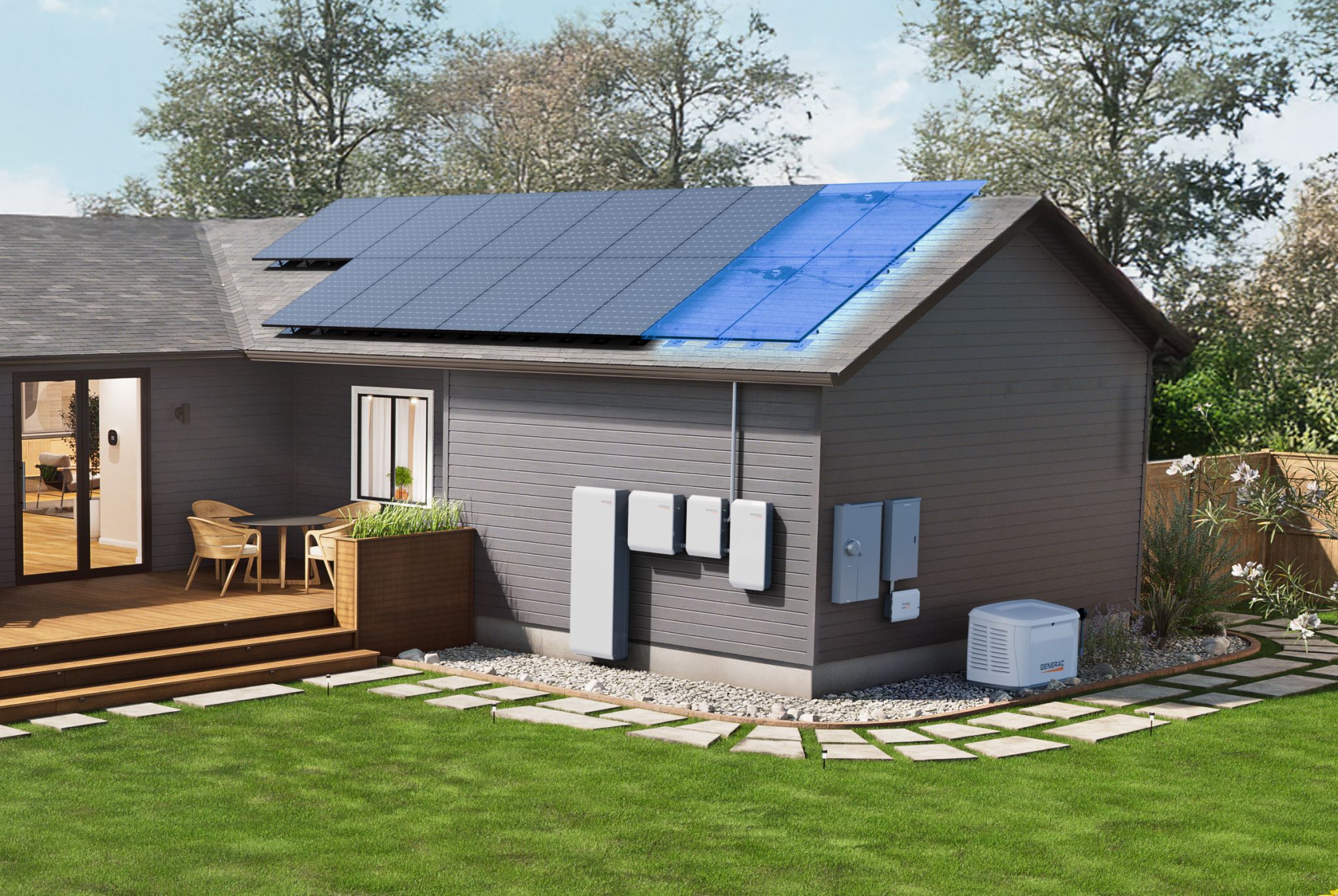
Solar remains one of the most effective ways to reduce dependence on utility companies.
Every kilowatt-hour produced by your solar system is energy you don't have to purchase from the grid.
Instead of being exposed to every future rate increase, you generate power directly from your own roof.
Solar can help homeowners:
But producing energy is only part of the equation.
A battery system allows homeowners to store excess solar energy for use when it's needed most.
During the day, solar panels may produce more energy than your home uses. Instead of sending that power away, a battery stores it for later.
That stored energy can be used:
Battery storage gives homeowners greater flexibility and control over how and when they use energy.
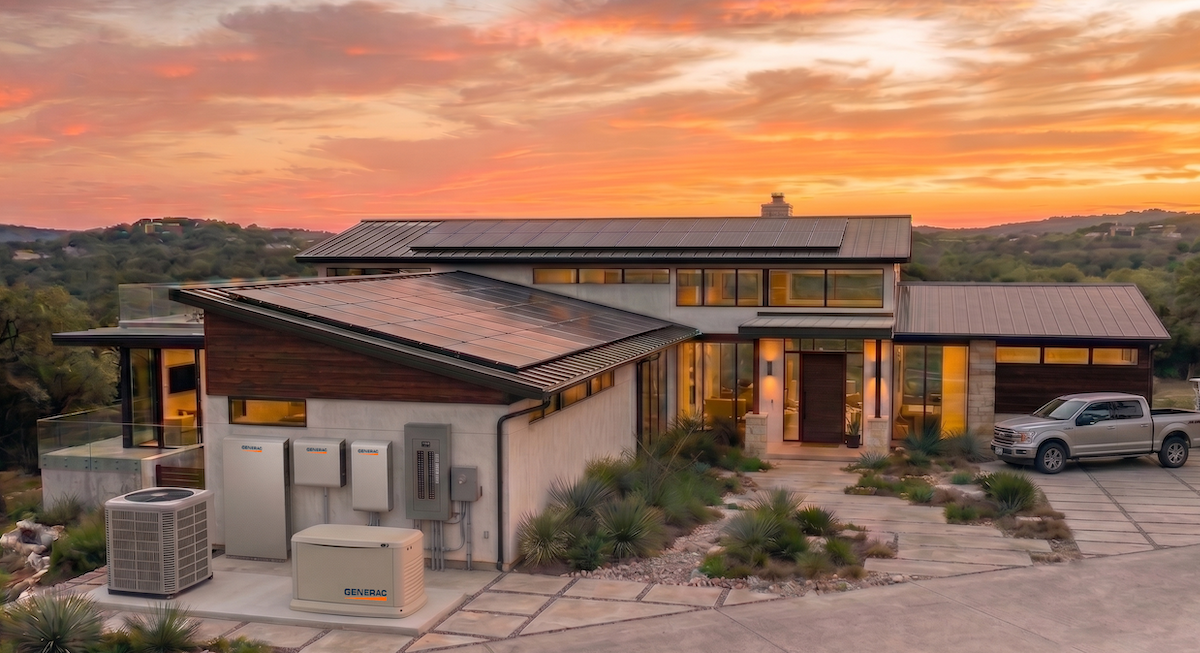
Together, solar and battery storage create a powerful foundation for energy independence.
Many homeowners are surprised to learn that heating and cooling often account for 40% to 60% of a home's total energy consumption.
In both Texas and Florida, air conditioning isn't a luxury—it's a necessity.
Unfortunately, older HVAC systems can become one of the largest sources of wasted energy in the home.
An aging air conditioner may:
Even homeowners with solar often discover that an inefficient HVAC system is consuming far more energy than it should.
Modern high-efficiency air conditioning systems are dramatically more efficient than units installed 10 to 15 years ago.
Today's systems can:
In Texas and Florida, where cooling costs represent a substantial portion of the electric bill, upgrading to a high-efficiency HVAC system can produce meaningful savings month after month.
Simply put, the cheapest energy is the energy you never have to use.
When a high-efficiency HVAC system is paired with solar and battery storage, homeowners can maximize every kilowatt-hour they generate.
Even with battery storage, some homeowners want additional protection during extended outages.
Standby generators provide an additional layer of security by automatically supplying power when utility service is interrupted.
This is especially valuable in regions vulnerable to:
For many homeowners, a generator offers peace of mind that critical systems will continue operating no matter what happens outside.
The greatest savings don't come from any single product.
They come from how all the systems work together.
Imagine a home where:
That's the difference between simply owning equipment and having a complete energy strategy.
No homeowner can control utility rate increases.
No homeowner can control fuel markets.
No homeowner can control extreme weather.
But homeowners can control how much energy they use, where their energy comes from, and how prepared they are when the grid is stressed.
That's why Freedom Power is expanding beyond solar.
Our mission is to help homeowners create smarter, more efficient, and more resilient homes through integrated energy solutions that work together.
Because the future of home energy isn't just about generating power.
It's about taking control of it.
And the homeowners who take control today will be the ones best prepared for tomorrow.