Solar

Deciding whether to lease or buy a solar system is one of the biggest financial questions in the process — and the calculus has shifted. The federal residential solar tax credit (Section 25D) expired at the end of 2025 under the One Big Beautiful Bill, so it's no longer part of the decision the way it used to be. Here's what actually matters now.
Similar to renting a house or a car, solar leasing involves a fixed monthly (or per-kWh) payment for the use of the equipment. Installation, maintenance, and repairs are typically built into the agreement, and you don't own the system outright.
If a large upfront investment isn't the right fit for your budget right now, leasing (or a similar $0-down agreement) is one way to add solar without a big cash outlay. You don't own the equipment — much like leasing a car, it isn't an asset on your balance sheet.
Most lease and third-party-ownership (TPO) agreements run 20–25 years, though terms vary by provider and market.
What you save on your monthly bill depends entirely on your specific system size, usage, and agreement terms — actual results vary by household. (Any bill-savings figure quoted to a customer should be tied to a specific testimonial or documented case, not presented as a guarantee.)
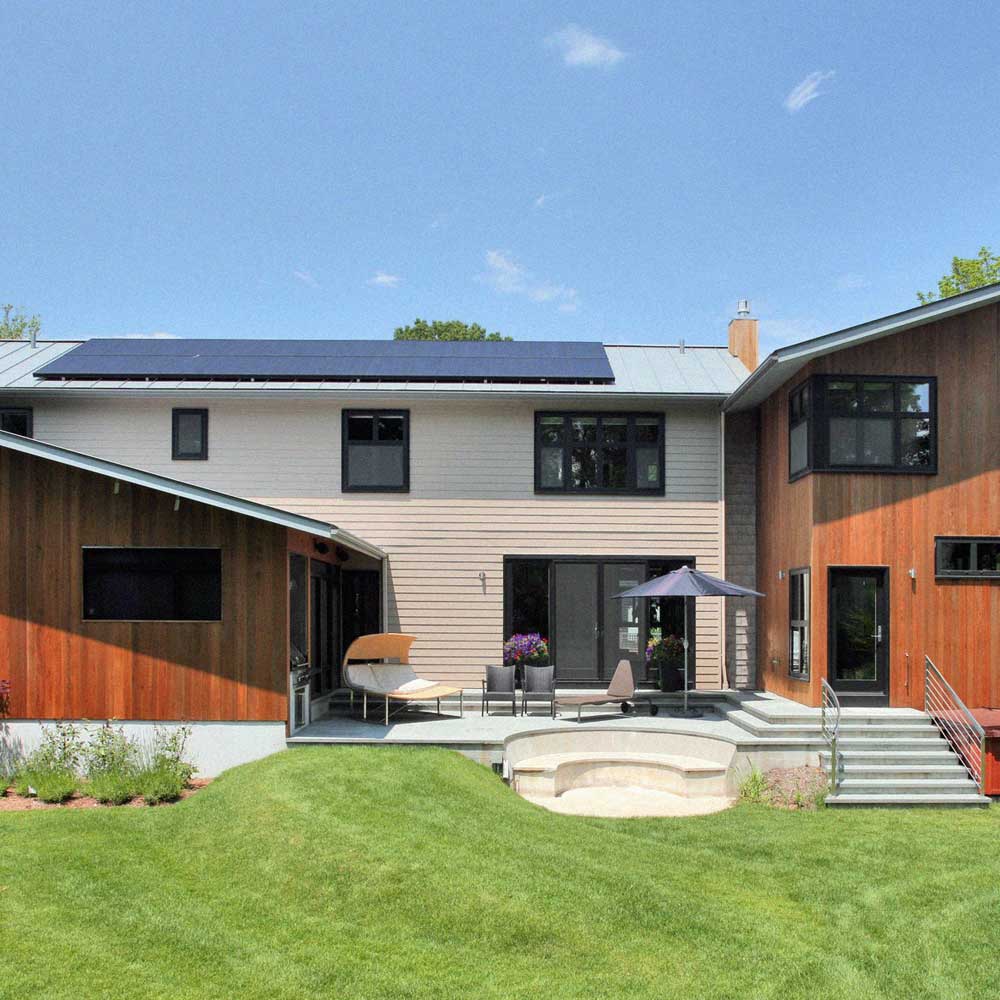
Roof control is also worth thinking through. If the appearance of your home matters to you, review the proposed system design and panel placement carefully before signing — including panel count and street-facing visibility.
Because ownership stays with the leasing company, prospective buyers sometimes hesitate when they learn panels are under a long-term agreement, since it adds a layer to the real estate transaction.
Depending on the agreement, panels may be difficult to remove and may or may not transfer easily to a new owner.
If you're buying a home with existing leased panels, ask:
If you sell a home with a solar lease in place, you may not be able to transfer the panels to a new address, and some buyers will ask that they be removed. Buyout costs vary by provider and remaining contract term — ask for a specific number rather than assuming a flat rate. Removing panels yourself isn't recommended; it can be unsafe and may violate your agreement.
Lease and TPO terms differ by provider, but most run 20–25 years, and payments often include a built-in annual escalator (commonly in the low single digits). Ask any provider for the exact escalation schedule in writing before signing — don't assume your first-year rate holds for the life of the agreement.
Leasing or a TPO agreement can make sense if you want solar without a large upfront cost, or if you'd rather not take on system maintenance and repairs yourself.
One thing that's changed: since ownership stays with the leasing company under these agreements, and the federal 25D tax credit that used to apply to owned systems is no longer available anyway, that particular trade-off is now moot for most homeowners. The bigger factors today are upfront cost, monthly payment, contract length, and who's responsible for maintenance.
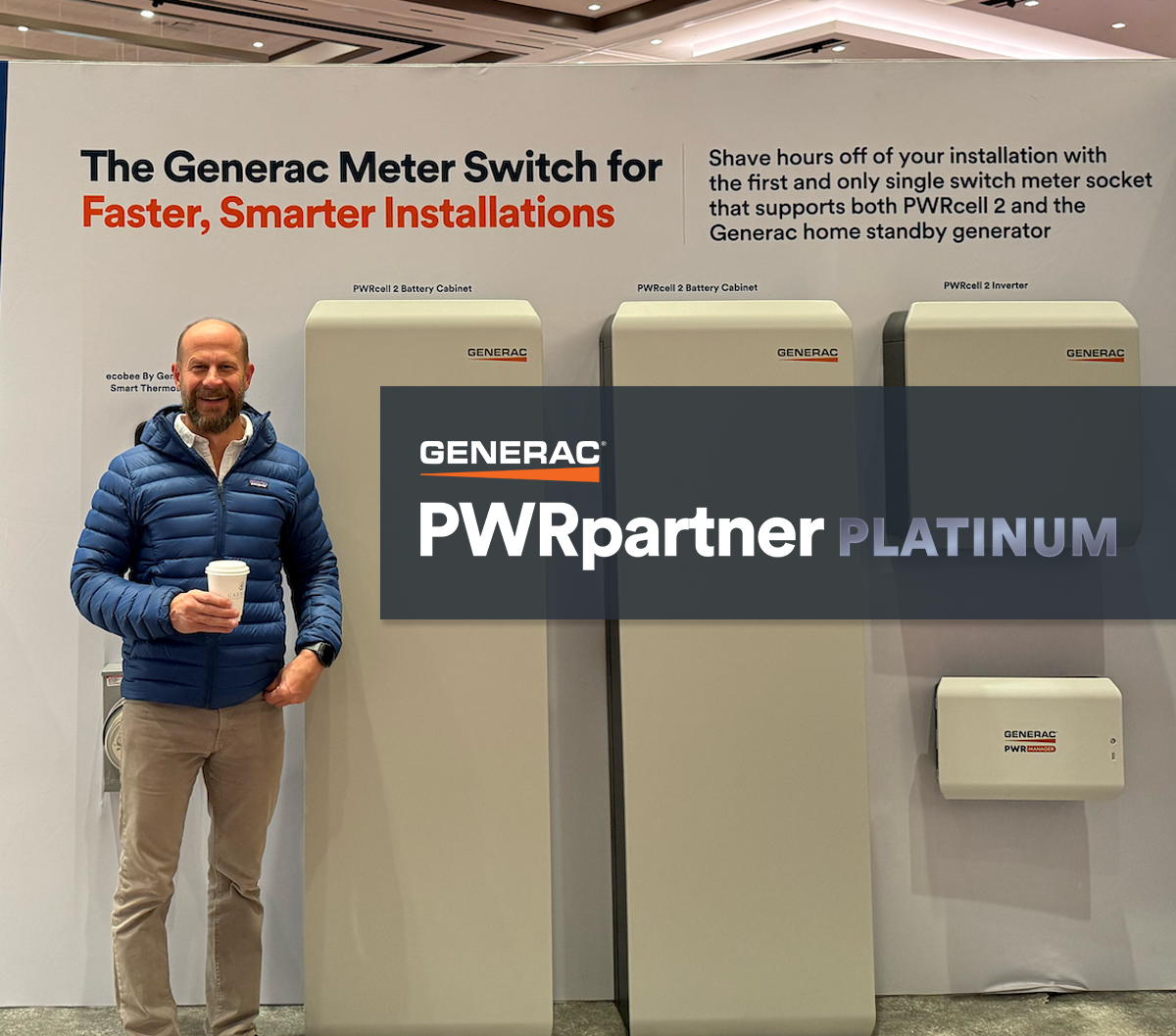
Freedom Power offers both ownership and $0-down leasing/TPO paths depending on your market and eligibility, so you can compare real numbers side by side before deciding. As Generac's first Platinum Dealer in Texas and Florida, we also pair solar with battery storage, backup generators, and HVAC as part of a whole-home energy plan — not just a single system.
Call (800) 504-2337 or fill out our consultation form and one of our energy specialists will walk you through what makes sense for your home.